

Latest News
Saudi Geological Survey Visits M[Ex]²
October 2026
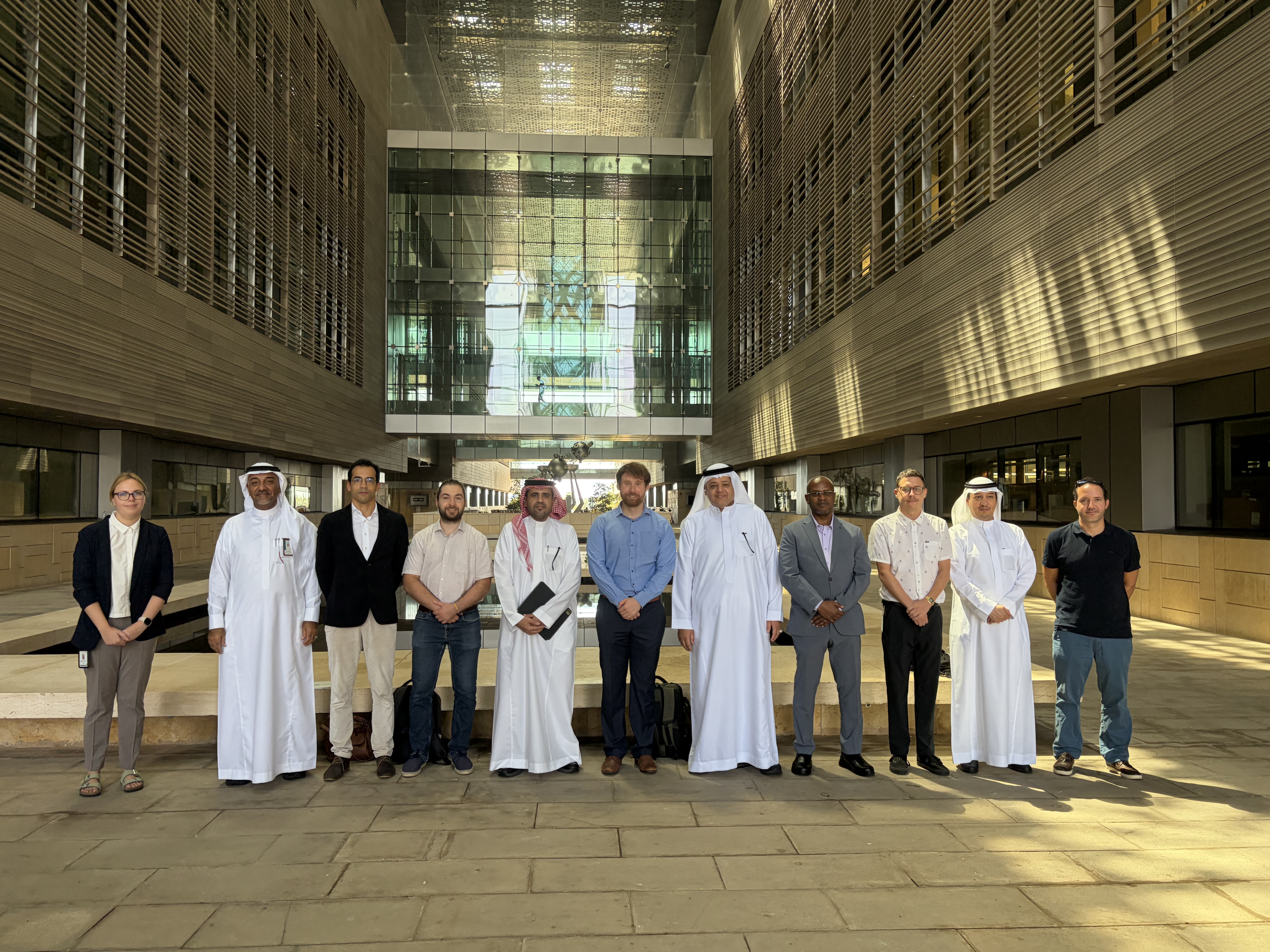
The M[Ex]² Group was delighted to welcome the President of the Saudi Geological Survey (SGS) and his team to KAUST. The visit provided a valuable opportunity to showcase the group's research activities, exchange ideas, and discuss opportunities for future collaboration in mineral exploration and resource development.
We look forward to strengthening our relationship with SGS and advancing research that supports Saudi Arabia's mineral resource sector.
REESA Officially Launches at KAUST
September 2026
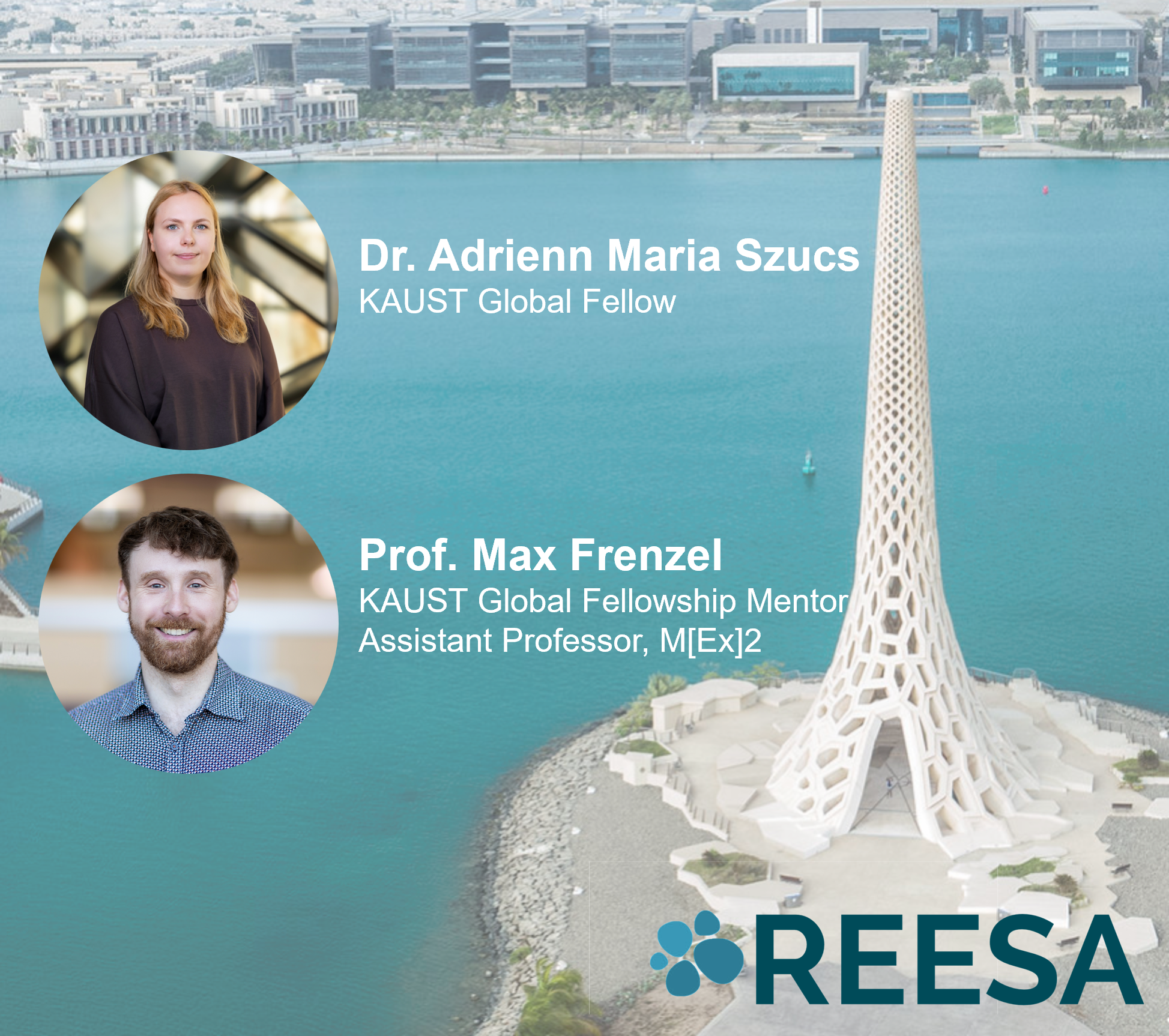
The M[Ex]² Group is pleased to announce the launch of Rare Earth Elements for Saudi Arabia (REESA), a three-year research project jointly funded by the KAUST Global Fellowship Program and the M[Ex]² Group.
Led by Dr. Adrienn Maria Szucs under the academic supervision of Prof. Max Frenzel, REESA aims to advance the mineralogical assessment of Saudi Arabia's rare earth resources and develop efficient exploration strategies to support future resource development.
Learn more about the project at reesa.kaust.edu.sa.
Growing M[Ex]² Team
September 2026
With the start of the new academic semester at KAUST, M[Ex]² is delighted to welcome new students to the group. As our team continues to grow, we look forward to fresh perspectives, new research opportunities, and exciting collaborations in the months ahead.
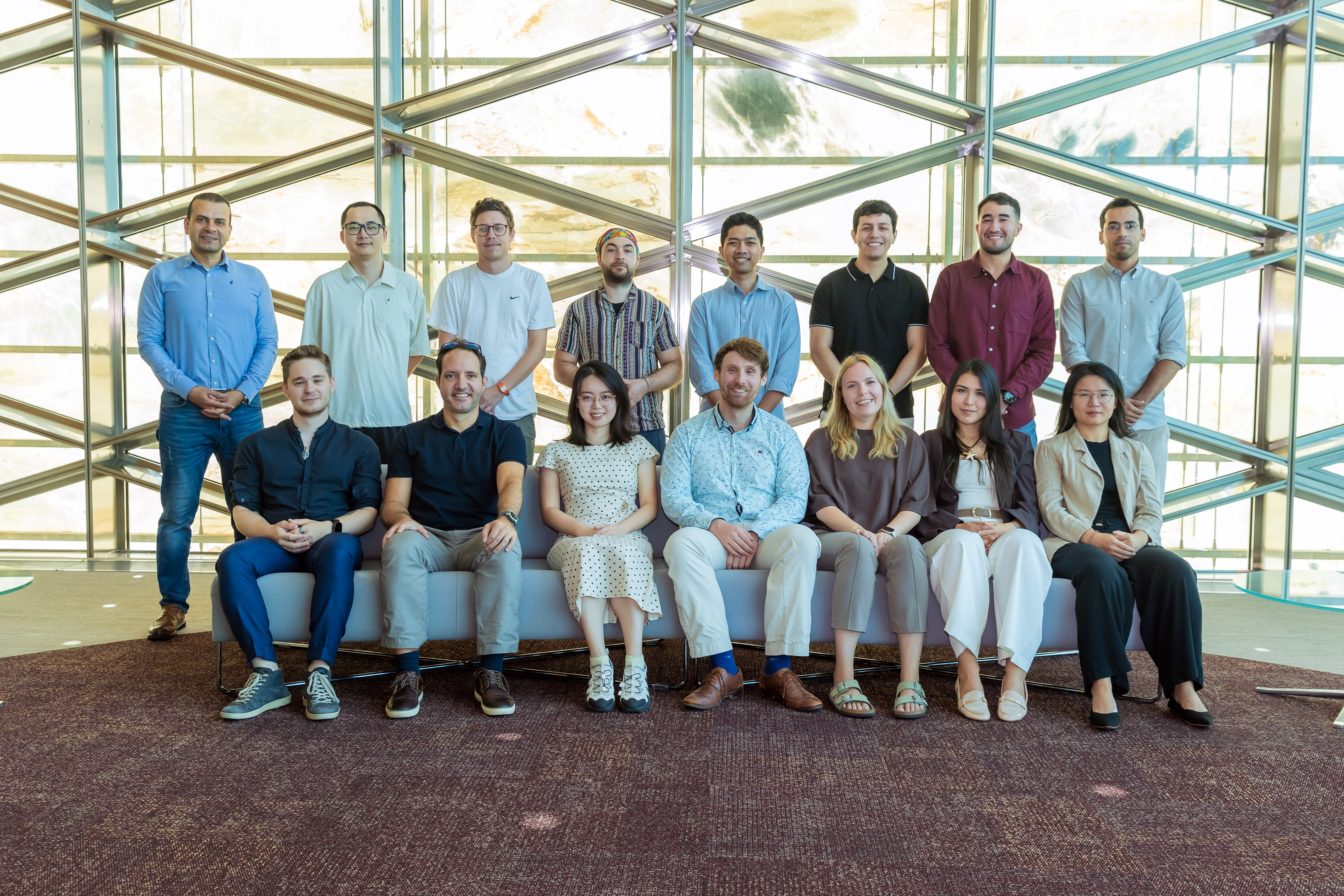


Meet the Team
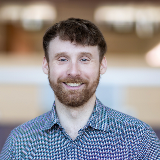
Prof. Max Frenzel
More
Dr. Max Frenzel is an assistant professor of Earth Systems Science and Engineering, and principal investigator of the Mineral Exploration and Exploitation Group (M[Ex]2) at KAUST. After earning his Ph.D. in economic geology examining the global availability and distribution of gallium, germanium and indium, Max spent one year as a postdoctoral fellow at the University of Adelaide, returning to Germany in 2018 as a postdoctoral researcher at the Helmholtz Institute Freiberg for Resource Technology (HIF). From 2021 to 2025, he was a senior researcher at HIF and led the Economic Geology and Geometallurgy Group. Frenzel has more than ten years of research and teaching experience, including as a guest lecturer at Karlsruhe Institute of Technology. He has raised over 3 million dollars in research funding and is the recipient of several national and institutional scientific awards.
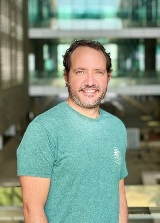
Dr Antoine Delaunay
More
Antoine Delaunay is a Research Scientist at KAUST specializing in structural geology, tectonics, basin stratigraphy and mineral systems of the Arabian Plate and Red Sea region. His research integrates field geology, remote sensing, geophysics, GIS, and quantitative tectonic reconstruction to investigate continental rifting, critical mineral resources, natural hydrogen systems, and regional geological prospectivity.
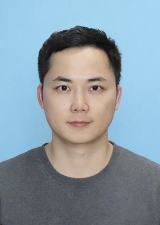
Dr Jian Ma (马健)
More
Dr. Jian Ma is an Associate Professor at East China University of Technology (ECUT), specializing in sedimentary-hosted gold and Pb-Zn deposits. His research integrates field geology with sulfide sulfur isotope and trace element geochemistry to elucidate ore-forming processes, with a primary focus on orogenic gold and Pb-Zn mineralization in the West Qinling Orogen, central China. Dr. Ma currently leads research projects funded by the National Natural Science Foundation of China and the Jiangxi Provincial Natural Science Foundation.
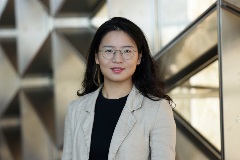
Dr Sixiu Liu (刘思秀)
More
Sixiu Liu has been a Postdoctoral Fellow at KAUST since November 2025. She received her B.Sc. and M.Sc. degrees from Jilin University, China, and her Ph.D. from the Seismic Wave Analysis Group (SWAG) at KAUST. Her current research integrates hyperspectral data processing, geospatial analysis, and deep learning for mineral exploration in the Arabian Shield. Her previous research focused on deep learning-based geophysical data processing, including self-supervised seismic denoising and generative model-based full-waveform inversion (FWI).
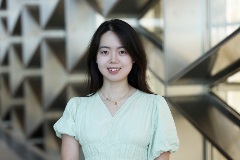
Dr Hanyu Wang
More
Hanyu Wang received the B.E. and Ph.D. degrees in Mechatronics from Beijing Institute of Technology, Beijing, China, in 2019 and 2025, respectively. She subsequently joined the King Abdullah University of Science and Technology (KAUST), Thuwal, Saudi Arabia, as a Postdoctoral Researcher with Prof. Max Frenzel. Her current research focuses on probabilistic 3D geological modeling, spatial statistics, and uncertainty quantification. She combines geological observations, statistical modeling, and scientific computing to generate ensembles of geologically plausible subsurface models that are consistent with sparse and heterogeneous observations. Her broader goal is to support a more reliable and uncertainty-aware understanding of complex geological systems. Her previous work focused on multi-source data fusion, navigation, remote sensing, and intelligent systems, which provides a foundation for treating geological modeling as a broader problem of spatial reasoning under uncertainty.
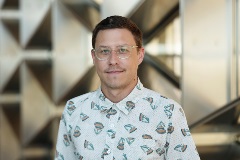
Dr Brendan Hoare
More
Dr Brendan Hoare is a geochemist whose research focuses on trace element and radionuclide geochemistry, critical minerals, and isotope analysis. He applies advanced laser ablation ICP-MS (LA-ICP-MS and LA-ICP-ToF-MS) techniques, U–Pb geochronology, and quantitative geochemical approaches to investigate geological materials and support mineral exploration and resource characterization.
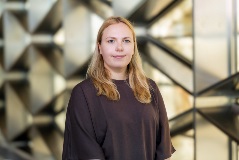
Dr Adrienn Maria Szucs
More
Adrienn is a geochemist and mineralogist working on critical mineral systems, material characterisation, and mineral transformation processes. Her research focuses on rare earth element (REE) behaviour, mineral stability, and reaction mechanisms. Her work involves experimental geochemistry and mineralogical analysis, including the study of REE-bearing minerals in geological materials, synthetic systems, and industrial by-products. She uses a combination of solid-state, microscopic, and spectroscopic techniques, such as scanning electron microscopy with energy-dispersive X-ray spectroscopy (SEM-EDS), powder X-ray diffraction (XRD), and micro–X-ray fluorescence (micro-XRF), to investigate mineral assemblages, mineral–fluid interactions, reaction pathways, and phase stability.
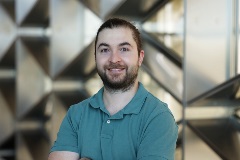
Dr Enzo-Enrico Cacciatore
More
I am an economic geologist and geochemist interested in the processes that control metal enrichment in magmatic and hydrothermal systems. My research combines mineralogy, geochemistry, and advanced microanalytical techniques, including EPMA, SEM, LA-ICP-MS, SIMS, fluid inclusion microthermometry and automated mineralogy (e.g., QEMSCAN), to investigate ore-forming processes and critical metal resources. I completed my PhD at the University of Geneva, where I studied the relationship between magma redox conditions and magmatic differentiation through experimental petrology and geochemical analysis. At KAUST, I work on the multidisciplinary characterization of sediment-hosted Zn-Pb mineralization in the Red Sea Rift, integrating mineralogical, geochemical, and geological datasets to improve our understanding of ore deposit formation and support mineral exploration for critical raw materials.
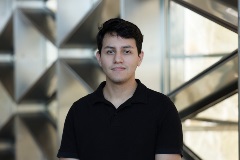
Alejandro Vallejo
More
Alejandro Vallejo earned his B.Sc. in Geology from Yachay Tech University, Ecuador, in 2024. He then joined King Abdullah University of Science and Technology (KAUST), where he completed his M.Sc. in Earth Science and Engineering and is currently pursuing a PhD under the supervision of Dr. Max Frenzel in the Mineral Exploration and Exploitation Group (M[Ex]2). His research integrates machine learning, deep learning, and geospatial remote sensing to study large-scale Earth science datasets, with a focus on geological resource assessment and mineral exploration. His work spans multi-sensor satellite data processing (Landsat, Sentinel-2, ASTER, hyperspectral), geophysical analysis, and the development of automated geospatial workflows for regional mineral reconnaissance.
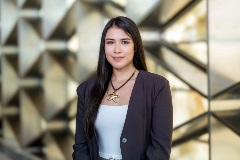
Lorena Valderrama Castillo
More
Lorena holds an M.Sc. in Geology from the National University of Colombia and is currently pursuing a PhD at King Abdullah University of Science and Technology (KAUST), under the supervision of Dr. Max Frenzel within the Mineral Exploration and Exploitation Group (M[Ex]²). Her research interests lie at the intersection of economic geology, mineral resources, sedimentology, and geochemistry, with particular experience in carbonate rocks, stratigraphy, micropaleontology, and the geological characterization of mineral systems. Her background combines field-based geological investigation with petrographic, metallographic, mineralogical, and geochemical approaches to characterize rocks, alteration, sediments, and ore-related processes. Her current PhD research focuses on the Jabal Dhaylan Mississippi Valley-Type (MVT) Zn-Pb deposit within the Red Sea Zinc Belt, Saudi Arabia. She applies an integrated multidisciplinary approach combining geological, mineralogical and geochemical data to investigate the characteristics, evolution, and sources of the mineralizing system and the processes controlling sediment-hosted ore formation and mineral resource distribution.
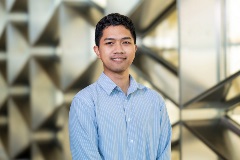
Dzulfiqar (Joe) Fawwaz
More
Joe is an MSc student in Earth Science and Engineering within the Mineral Exploration and Exploitation (M(Ex)2) Research Group at KAUST, supervised by Dr. Max Frenzel. His research focuses on multi-scale geoscience data integration and explainable machine learning for mineral prospectivity modeling, with an emphasis on gold-overprinted volcanogenic massive sulfide (VMS) systems in the Arabian Shield. Prior to joining KAUST, Joe accumulated over five years of industry experience designing geoscience data architecture, mobile field acquisition pipelines, and custom GIS automation for operating copper-gold mines and geospatial consultancies in Indonesia. He aspires to advance predictive exploration workflows by bridging hyperspectral remote sensing, geochemical vectoring, and spatial data science to unmask mineral systems in complex and data-limited terrains.
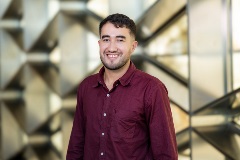
Alejandro Rubio
More
Alejandro Rubio is an MSc student in Earth Science and Engineering, working on critical mineral systems and material characterization. His research examines rare-metal (Zr–Th–REE) enrichment in granites and pegmatites of the Arabian Shield, combining petrography, XRD, µXRF, and SEM-EDX to investigate magmatic and hydrothermal controls on mineralization, characterize mineral–fluid interactions, and assess exploration potential.
